How to Test Chemicals at Home: Top 10 Questions on Marquis, Simon, Mecke & Morris Reagent Kits
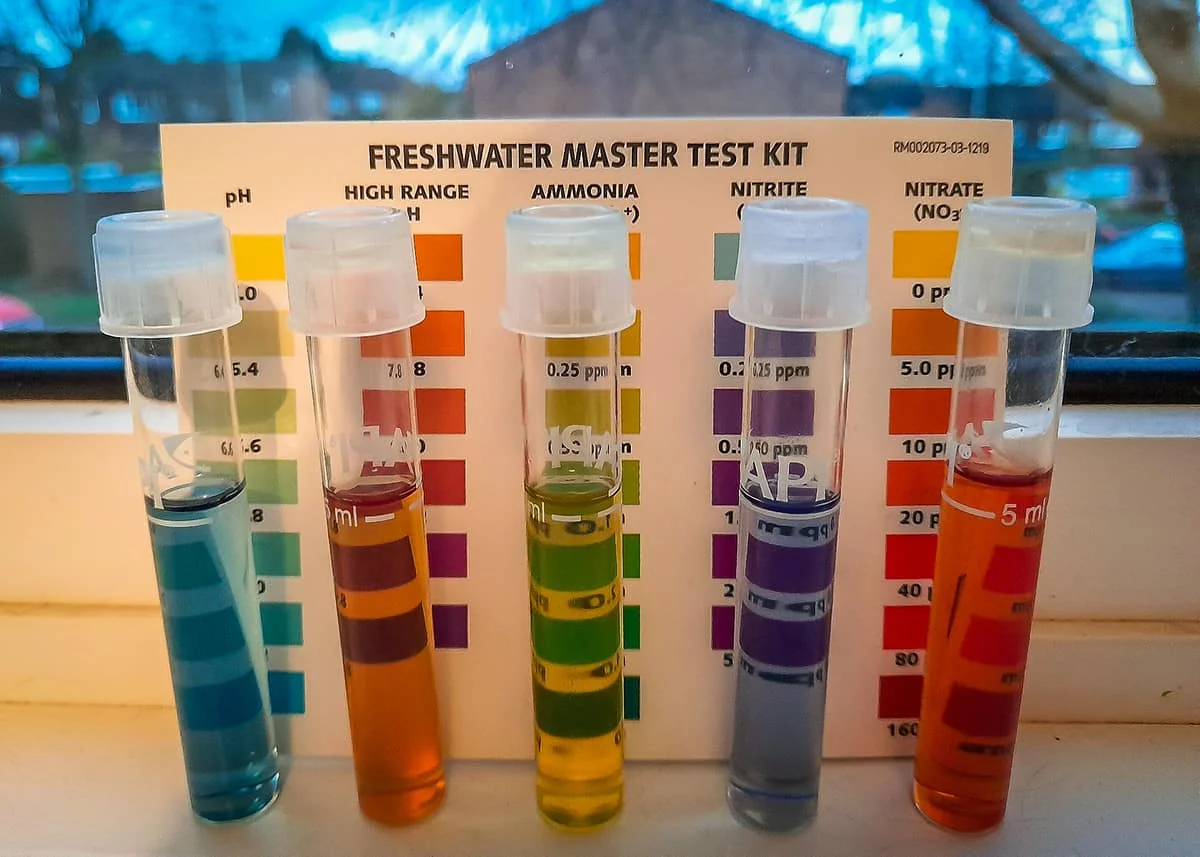
1. What is a chemical reagent test kit and how does it work?
A colorimetric reagent test kit contains concentrated acids and metal/organic indicator salts. When a single drop contacts a 1–2 mg sample on a white ceramic plate, it undergoes an instant chemical reaction, changing color to identify functional groups and molecules.
2. How do you test a sample step-by-step?
- Surface: Use a clean white glazed ceramic plate or mug bottom (never plastic, metal, or paper).
- Sample Size: Use a tiny speck ($1–2\text{ mg}$, size of a salt grain).
- Application: Drop 1 drop of reagent directly onto the sample.
- Observation: Watch the color transition under bright light for the first 60 seconds.
- Neutralize: Add a pinch of baking soda to neutralize the acid before rinsing with water.
3. What do the different reagents test for?
- Marquis: Orange (Speed), Dark Purple/Black (MDMA), Yellow/Green (2C-B).
- Simon's (A + B): Cobalt Blue for secondary amines (Methamphetamine, MDMA). Clear for primary amines (Speed).
- Morris (A + B): Royal Purple/Violet specifically for Ketamine.
- Mecke: Dark Blue/Green (MDMA), Green (Opiates).
Frequently Asked Questions
How does a chemical reagent test work? ▾
A tiny drop of concentrated acidic reagent is placed on a 1-2 mg chemical sample on a white ceramic plate. The acid reacts with the sample, producing a distinct color change that identifies the chemical class within 60 seconds.
Can reagent kits test purity or only identity? ▾
Reagent tests are qualitative, not quantitative. They tell you which chemicals are present, but cannot measure exact purity percentages or detect low-dose cuts hidden under darker reacting substances.
How long do reagent bottles last before expiring? ▾
Reagents last 4 to 6 months at room temperature, or 12 to 24 months when stored inside an airtight container in the refrigerator or freezer (0–4 °C).
Certified Laboratory Formulations
High-purity chemical reagents tested via GC-MS with verified dispatch across Europe.
Related Educational & Laboratory Guides
Expand your research with peer-reviewed protocols, chemical comparisons, and safety data.
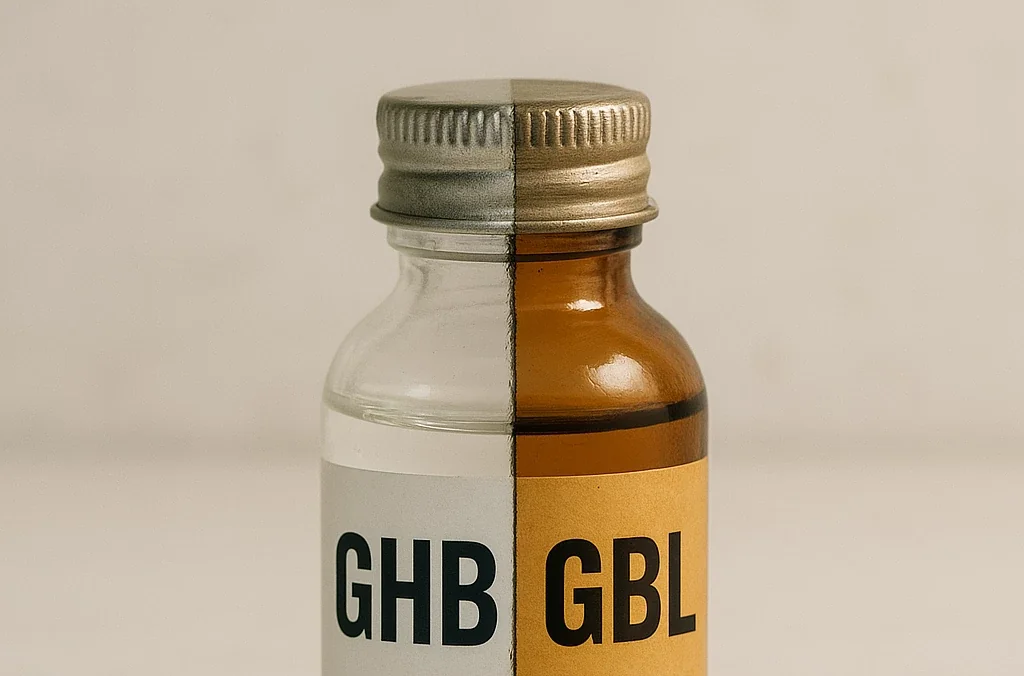
GBL vs GHB: Key Differences, Pharmacology, Potency & Chemical Properties
Comprehensive scientific comparison between Gamma-Butyrolactone (GBL) and Gamma-Hydroxybutyrate (GHB). Explore chemical structures, conversion pathways, potency ratios, and safety protocols.

Top 10 Questions People Ask About Ketamine: Liquid vs Powder, Testing, Effects & Storage
Find clear, honest, and scientifically verified answers to the top 10 questions people ask about Ketamine: liquid vs crystal powder, evaporation, S-isomer vs racemic, reagent testing, drug tests, and safe storage.
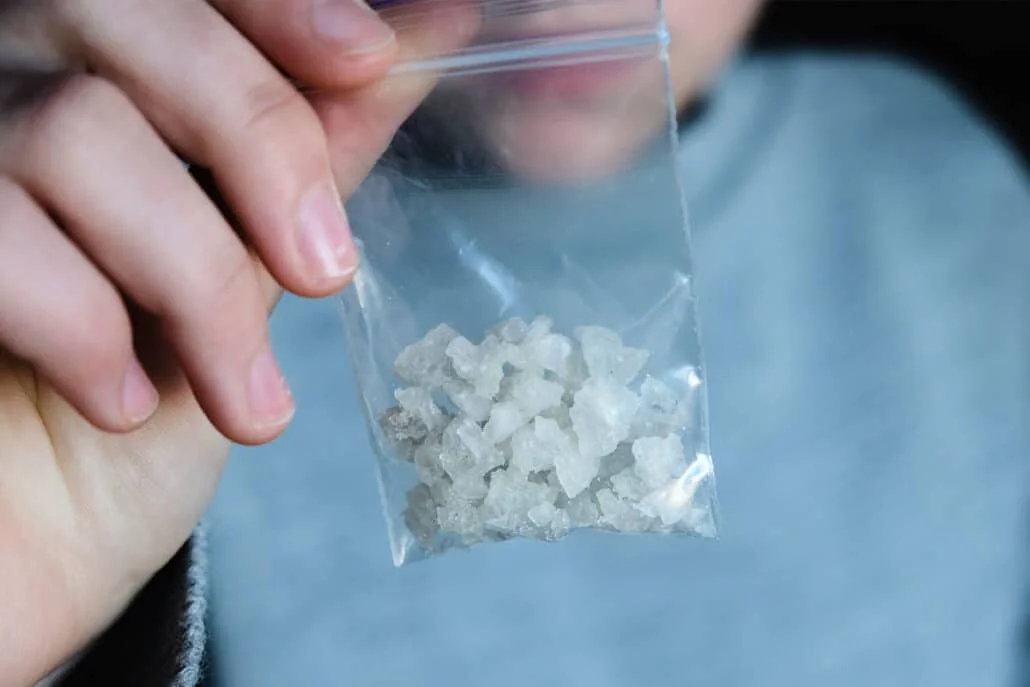
Speed vs Meth: 10 Critical Questions People Ask About Amphetamine & Crystal Meth
Find clear, factual, and scientifically grounded answers to the 10 most common questions about Amphetamine (speed) vs Crystal Meth: chemical differences, visual checks, Simon reagent testing, detection times, and storage.
Dispatched from France with 100% Guaranteed European Delivery
Every parcel is double vacuum-sealed in generic, tamper-proof packaging. Dispatched daily across 11 European countries with tracked delivery and full reship guarantee.