Top 10 Questions People Ask About Ketamine: Liquid vs Powder, Testing, Effects & Storage

1. What is the actual difference between liquid ketamine and powder crystals?
At a molecular level, liquid ketamine and ketamine powder are the exact same active chemical: Ketamine Hydrochloride ($C_{13}H_{16}ClNO \cdot HCl$, CAS 1867-66-9).
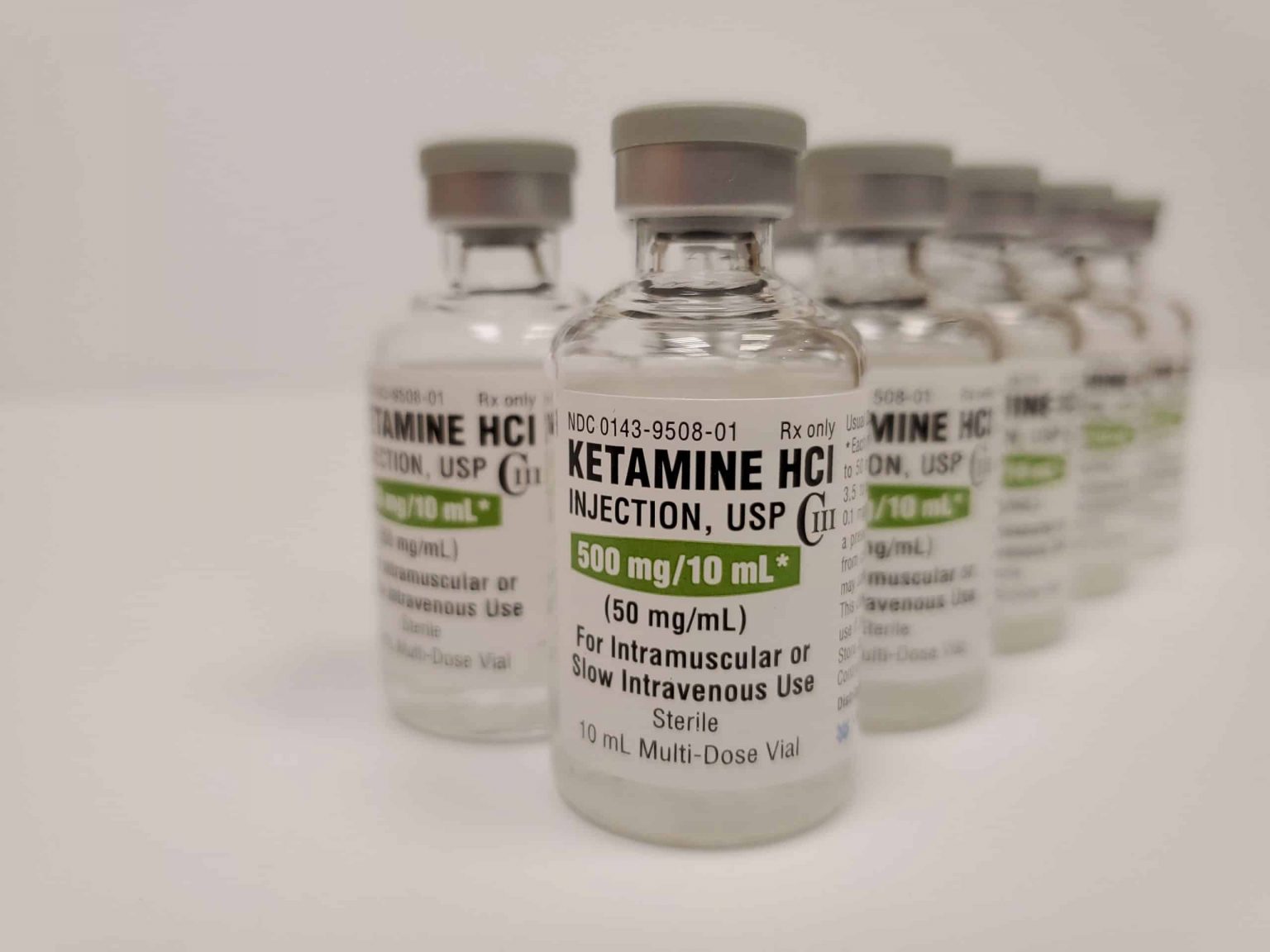
- Ketamine Liquid: A sterile aqueous solution where pure Ketamine HCl salt is dissolved in medical-grade water, usually buffered with a small amount of sodium chloride to be isotonic. Standard medical vials contain either 50 mg/mL (5%) or 100 mg/mL (10%).
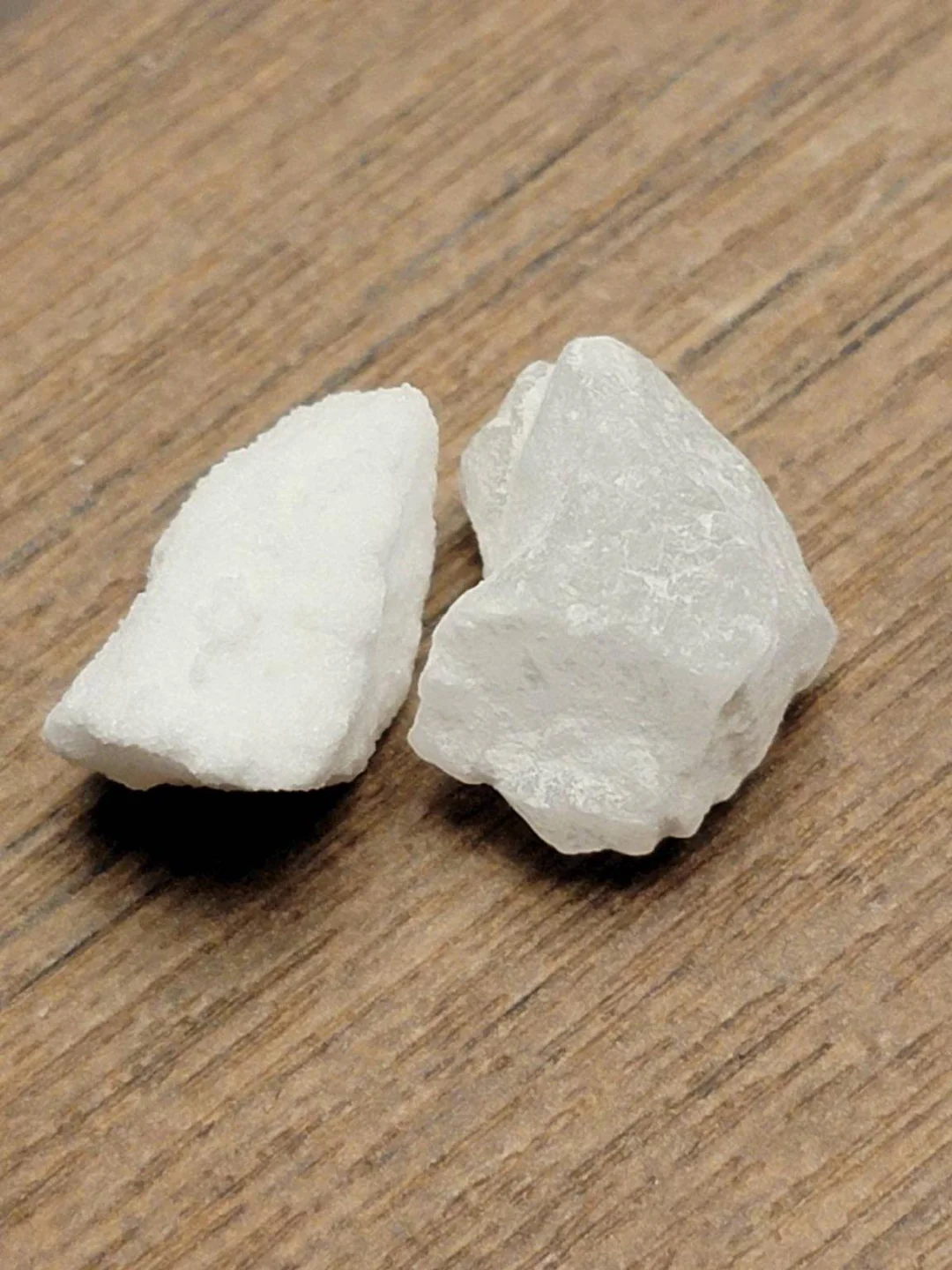
- Ketamine Powder / Shards: The solid crystalline salt left behind after the water is evaporated. High-purity ketamine forms distinct translucent needles or fine white crystal shards.
2. Can you turn liquid ketamine into crystal powder, and how is it done?
Yes. Turning liquid ketamine into crystalline powder is a straightforward physical process called evaporation or recrystallization. Because Ketamine HCl is heat-stable up to its decomposition point ($258\text{ }^\circ\text{C}$), evaporating the water leaves pure crystalline salt behind with zero chemical degradation.
Common laboratory methods include:
- Water Bath (Bain-Marie): Placing a heat-resistant glass dish over a pot of steaming water until all liquid evaporates into white crystal crusts.
- Low-Temperature Oven: Setting an oven to $70–80\text{ }^\circ\text{C}$ with the oven door slightly cracked to let moisture escape.
- Ambient Air Drying: Leaving the liquid spread thinly on a broad pyrex plate in a dry room for 24–48 hours.
3. What is the difference between S-Ketamine (Esketamine) and Racemic Ketamine?
Ketamine exists in two mirror-image molecular forms (enantiomers):
- S(+)-Ketamine (Esketamine): Binds to the NMDA receptor with 3 to 4 times stronger affinity than the R-enantiomer. It feels more cerebral, psychedelic, and stimulating, requiring roughly half the milligram amount to achieve the same dissociative state.
- R(-)-Ketamine (Arketamine): Produces much weaker anesthesia but is currently researched for deeper neuroplasticity and sustained antidepressant effects with less disorientation.
- Racemic Ketamine: An exact 50/50 blend of both S and R isomers, producing the classic "warm", body-heavy dissociative state.
4. What does ketamine feel like at different amounts, and what is a "K-Hole"?
Ketamine is a dose-dependent dissociative anesthetic:
- Micro / Low Range (10–30 mg): Mild relaxation, light alcohol-like buzz, enhanced music appreciation, and subtle floatiness.
- Medium Range (40–80 mg): Noticeable motor clumsiness, altered spatial perception, mental dissociation ("feeling detached from your body"), and dreamy euphoria.
- High Range / The "K-Hole" (100–150+ mg): Complete detachment of consciousness from physical sensory inputs, accompanied by vivid visual architecture, out-of-body sensations, and ego dissolution.
5. How do you test if your ketamine is real or cut using reagent test kits?
- Morris Reagent (A + B): Turns royal blue / bright violet in seconds. This is the single most accurate test for ketamine.
- Mandelin Reagent: Turns orange-brown to reddish-brown.
- Liebermann Reagent: Turns pale pink / light orange.
- Marquis & Mecke Reagents: Should show NO color reaction (remain completely clear).
Frequently Asked Questions
What is the actual difference between liquid ketamine and powder crystals? ▾
Liquid ketamine is an aqueous solution of pure Ketamine Hydrochloride dissolved in sterile water, while powder is the crystalline salt left after water evaporates. They contain the exact same active chemical (CAS 1867-66-9).
Can you evaporate liquid ketamine into powder at home? ▾
Yes. Heating liquid ketamine on a water bath (bain-marie) or leaving it on a glass plate evaporates the water, leaving pure white Ketamine HCl crystalline powder without chemical alteration.
What is the difference between S-Ketamine (Esketamine) and Racemic Ketamine? ▾
S-Ketamine has 3 to 4 times higher binding affinity for the NMDA receptor than the R-isomer. It produces a more cerebral, visual, and psychedelic experience at half the milligram dosage compared to racemic ketamine.
How do you test if ketamine is real using reagent kits? ▾
Morris reagent turns bright royal purple in the presence of ketamine. Mandelin reagent turns orange-brown, while Marquis and Mecke remain completely clear.
How long does ketamine stay in urine for drug tests? ▾
Ketamine's metabolite (norketamine) is detectable in urine for 3 to 6 days for occasional use and up to 14 days for chronic use on specialized 10/12-panel drug tests.
Certified Laboratory Formulations
High-purity chemical reagents tested via GC-MS with verified dispatch across Europe.
Related Educational & Laboratory Guides
Expand your research with peer-reviewed protocols, chemical comparisons, and safety data.
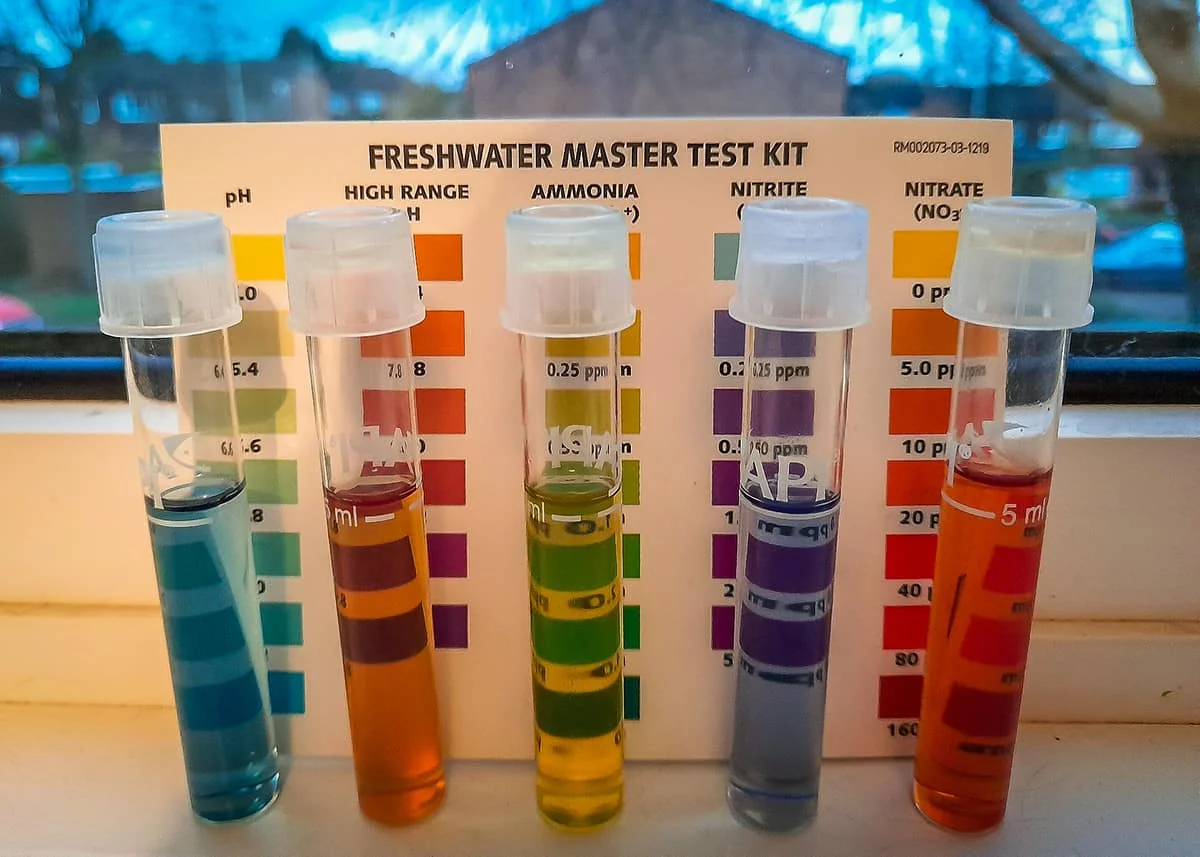
How to Test Chemicals at Home: Top 10 Questions on Marquis, Simon, Mecke & Morris Reagent Kits
Direct answers to the top 10 questions about chemical reagent testing: how Marquis, Simon, Mecke, and Morris reagents work, how to read color changes, testing speed vs meth, and reagent safety.
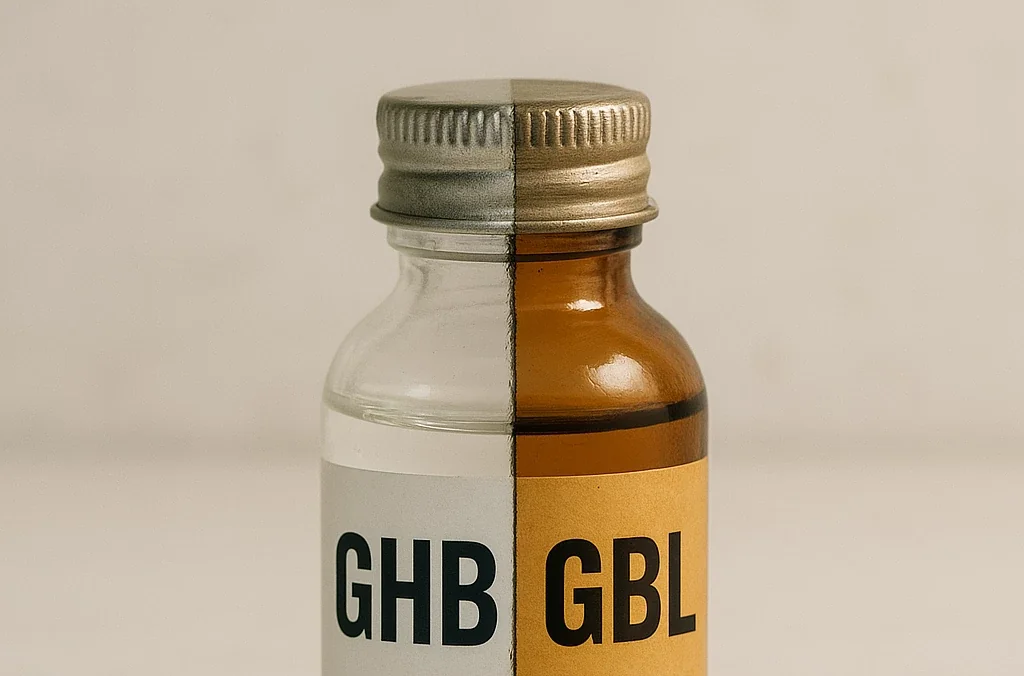
GBL vs GHB: Key Differences, Pharmacology, Potency & Chemical Properties
Comprehensive scientific comparison between Gamma-Butyrolactone (GBL) and Gamma-Hydroxybutyrate (GHB). Explore chemical structures, conversion pathways, potency ratios, and safety protocols.
How to Recover from an Amphetamine Comedown: Top 10 Questions on Sleep, Food & Supplements
Direct answers to the top 10 questions on surviving an amphetamine or speed comedown: why crashes happen, how to restore dopamine with L-Tyrosine and Magnesium, sleep tips, and emergency signs.
Dispatched from France with 100% Guaranteed European Delivery
Every parcel is double vacuum-sealed in generic, tamper-proof packaging. Dispatched daily across 11 European countries with tracked delivery and full reship guarantee.