GHB Effects, Pharmacology & Risks: Evidence-Based Mechanism, Toxicity & Safety Guide
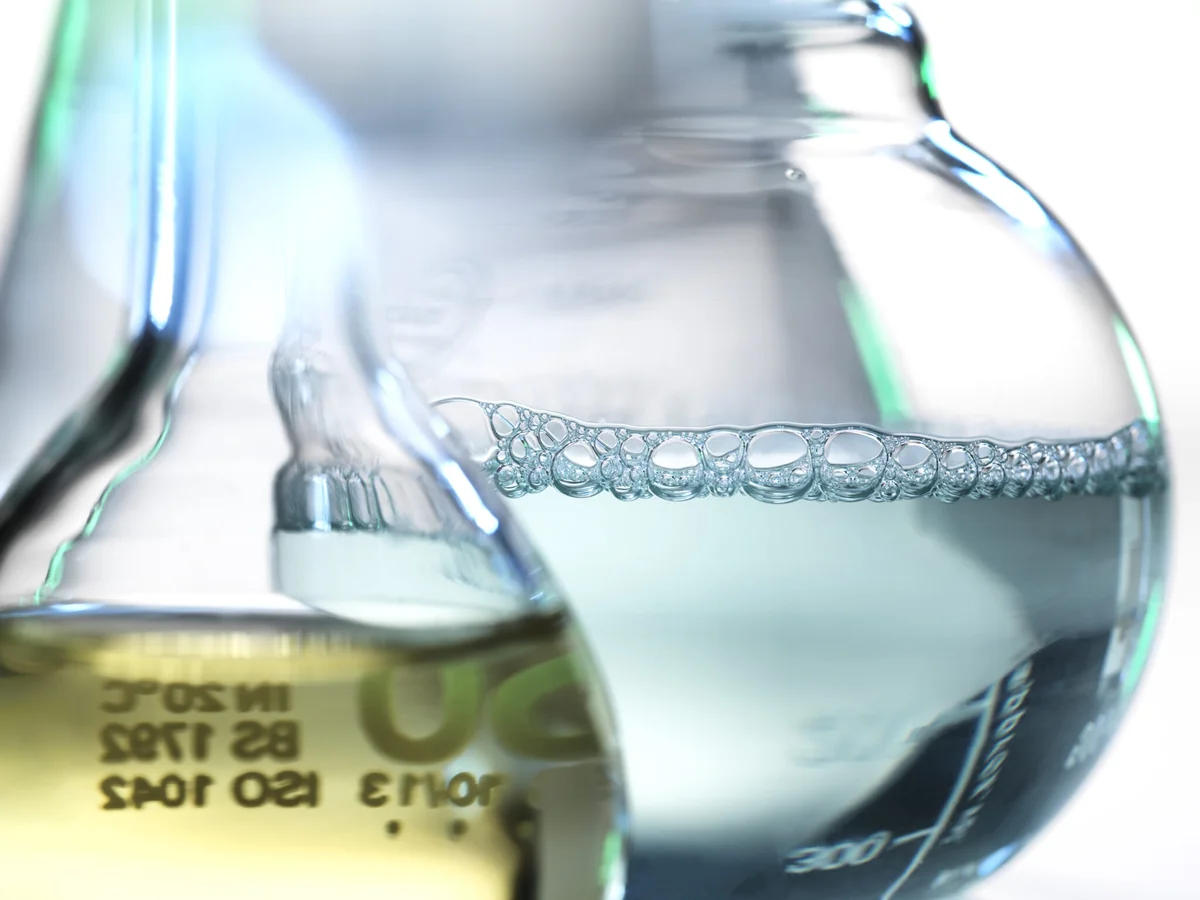
Neurochemical Overview of Gamma-Hydroxybutyrate (GHB)
Gamma-Hydroxybutyrate (GHB), also known chemically as 4-hydroxybutanoic acid (CAS 591-89-9), is an endogenous neurotransmitter and naturally occurring precursor and metabolite of gamma-aminobutyric acid (GABA). First synthesized in 1960 by Dr. Henri Laborit, GHB has been extensively investigated as a surgical anesthetic, neuroprotective agent, and therapeutic compound for clinical sleep disorders.
In pharmaceutical medicine, sodium oxybate is an approved prescription for narcolepsy with cataplexy. However, because of its steep dose-response curve and narrow therapeutic window, an objective, evidence-based understanding of its pharmacology and clinical toxicity is vital.
Dual-Receptor Mechanism of Action
GHB exerts its neurological actions through a complex, biphasic interaction with two distinct central nervous system receptor families:
- High-Affinity GHB Receptors: At low, micromolar physiological concentrations, GHB selectively binds to high-affinity, G-protein coupled GHB receptors. This binding stimulates dopamine synthesis and release, causing mild psychostimulation, mood elevation, and sociability.
- Low-Affinity GABA-B Receptors: At higher, pharmacological concentrations, GHB directly acts as a full agonist at inhibitory GABA-B receptors. This opens inward-rectifying potassium channels (GIRK) and inhibits voltage-gated calcium channels, hyperpolarizing neuronal membranes and inducing profound sedation, hypnosis, and muscle relaxation.
Pharmacokinetics, Metabolism & Clearance
| Parameter | Characteristic / Value |
|---|---|
| Oral Bioavailability | 60% to 80% (food significantly delays uptake) |
| Time to Peak ($T_{max}$) | 25 to 45 minutes |
| Elimination Half-Life ($t_{1/2}$) | 30 to 50 minutes (non-linear, capacity-limited) |
| Metabolic Pathway | Oxidation via succinic semialdehyde dehydrogenase (SSADH) into Krebs cycle |
| Final Excretion | Carbon dioxide (CO₂) and water (H₂O) |
| Detection Window | Urine: 6–12 hours; Blood: 4–8 hours |
Biphasic Dose-Response Dynamics
- Low Dose (0.5 g – 1.5 g Na-GHB equivalent): Mild relaxation, disinhibition, elevated mood, and increased sociability.
- Moderate Dose (1.5 g – 2.5 g): Significant motor ataxia, dizziness, pronounced drowsiness, and somnolence.
- High / Anesthetic Dose (3.0 g – 5.0 g+): Abrupt onset of deep coma ("G-sleep"), total anesthesia, suppression of pharyngeal reflexes, and hypoventilation.
Polysubstance Toxicity & Dangerous Interactions
- Ethanol (Alcohol): Alcohol inhibits GHB clearance and synergistically suppresses brainstem respiratory centers, causing fatal respiratory arrest.
- Benzodiazepines: Dual GABA-A and GABA-B activation drastically lowers the threshold for unarousable coma.
- Opioids & Ketamine: Compounds respiratory depression and abolishes airway protective reflexes.
Emergency First Aid for Acute Toxicity
- Call Emergency Services Immediately (112 in EU / 911 in US)
- Place in the Recovery Position (PLS): Ensure clear airway to prevent vomit aspiration.
- Never Administer Stimulants or Cold Showers: They do not counteract GABA-B mediated central depression.
Frequently Asked Questions
What is the exact mechanism of GHB in the brain? ▾
GHB acts via high-affinity GHB receptors to stimulate dopamine release at low doses, and binds to low-affinity inhibitory GABA-B receptors at higher doses, leading to central nervous system hyperpolarization and sedation.
How long does GHB stay detectable in the human body? ▾
Due to rapid metabolism via succinic semialdehyde dehydrogenase into the Krebs cycle, GHB is typically detectable in blood for only 4 to 8 hours and in urine for 6 to 12 hours.
Why is combining GHB with alcohol particularly hazardous? ▾
Alcohol and GHB act synergistically on central nervous system GABA receptors. Alcohol inhibits the body's ability to clear GHB, causing sudden respiratory arrest and unarousable coma even at relatively low doses of each.
How are laboratory-tested GHB and GBL compounds verified? ▾
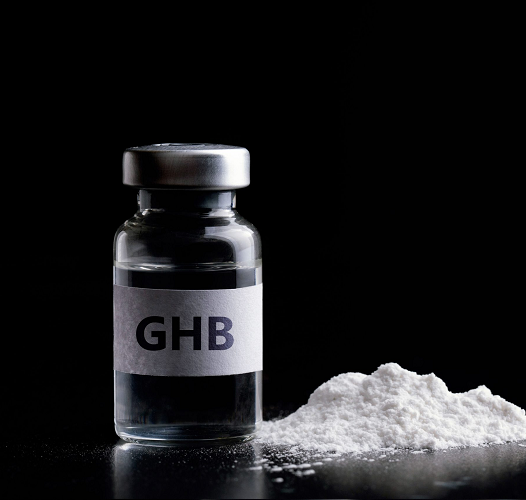
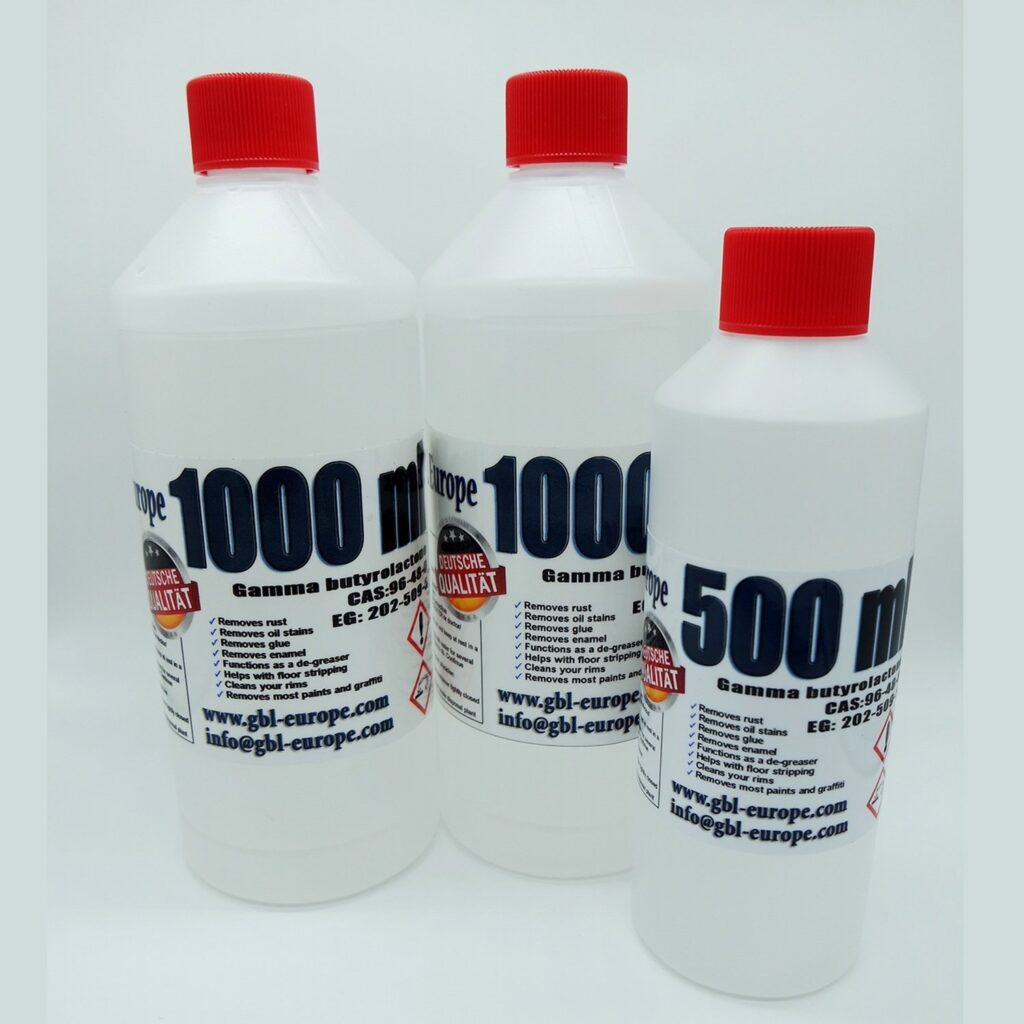
Analytical laboratories verify certified pure GBL and GHB formulations using Gas Chromatography-Mass Spectrometry (GC-MS) and High-Performance Liquid Chromatography (HPLC) to confirm purity exceeding 99.8% with zero toxic adulterants.
Certified Laboratory Formulations
High-purity chemical reagents tested via GC-MS with verified dispatch across Europe.
Related Educational & Laboratory Guides
Expand your research with peer-reviewed protocols, chemical comparisons, and safety data.
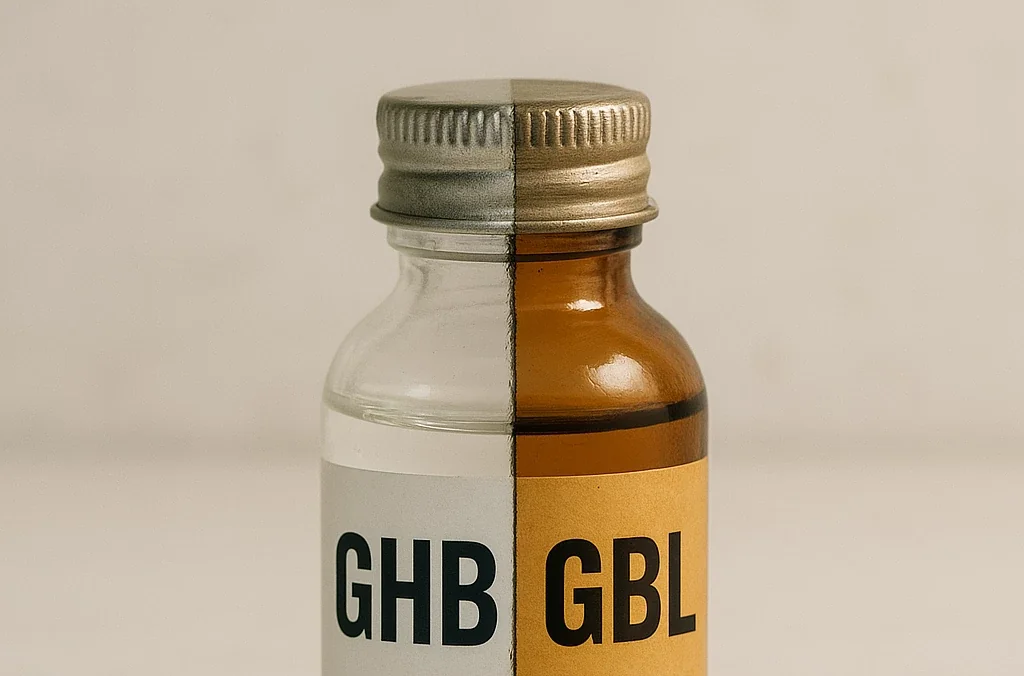
GBL vs GHB: Key Differences, Pharmacology, Potency & Chemical Properties
Comprehensive scientific comparison between Gamma-Butyrolactone (GBL) and Gamma-Hydroxybutyrate (GHB). Explore chemical structures, conversion pathways, potency ratios, and safety protocols.
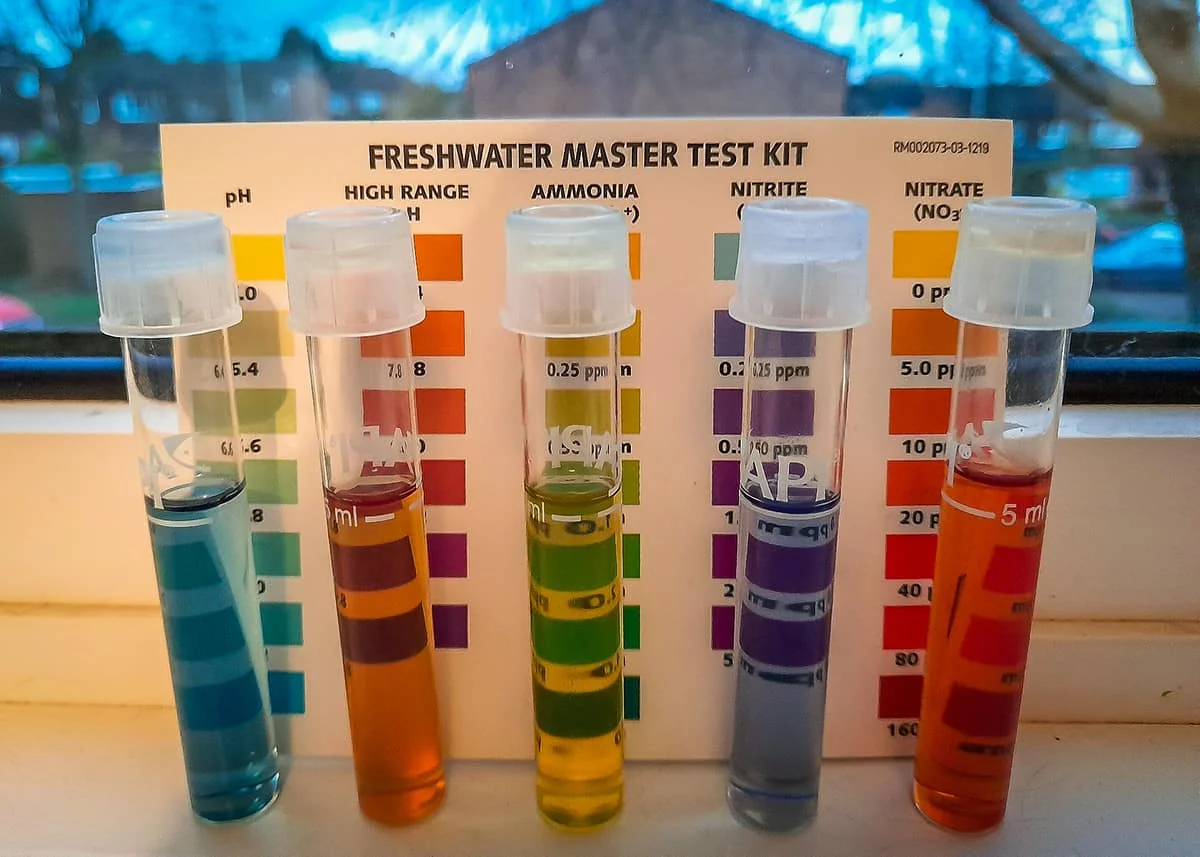
How to Test Chemicals at Home: Top 10 Questions on Marquis, Simon, Mecke & Morris Reagent Kits
Direct answers to the top 10 questions about chemical reagent testing: how Marquis, Simon, Mecke, and Morris reagents work, how to read color changes, testing speed vs meth, and reagent safety.
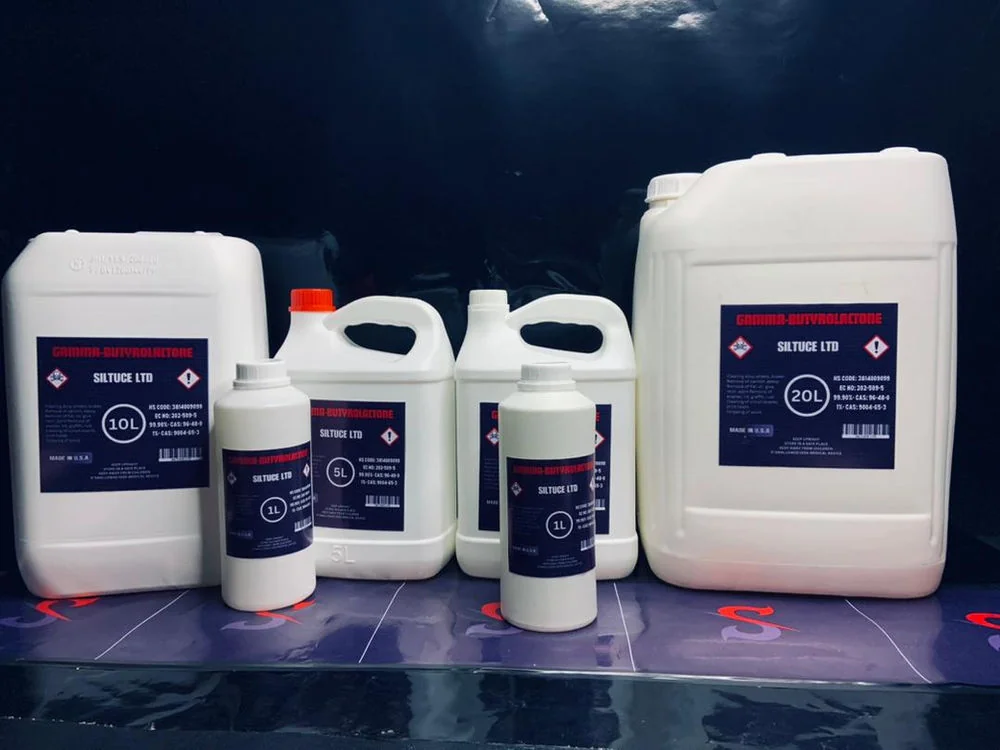
What Is GBL Chemical Used For? Industrial Applications, Chemistry & Laboratory Synthesis
In-depth technical guide to Gamma-Butyrolactone (GBL): lithium-ion battery electrolytes, precision electronics cleaning, polymer stripping, chemical synthesis, and safety.
Dispatched from France with 100% Guaranteed European Delivery
Every parcel is double vacuum-sealed in generic, tamper-proof packaging. Dispatched daily across 11 European countries with tracked delivery and full reship guarantee.