How to Use GBL: Top 10 Questions on Wheel Cleaning, Dilution, Plastic Melting & Storage
1. What exactly is GBL cleaner and why is it so strong on alloy wheels?
Gamma-Butyrolactone (GBL) (CAS 96-48-0) is an industrial dipolar aprotic solvent with a dielectric constant of $\varepsilon = 39.1$. It effortlessly breaks the chemical bonds holding baked-on brake dust, sintered iron particles, and road tar to wheels without attacking the underlying aluminum metal.
2. What is the correct dilution ratio for cleaning alloy wheels?
- Heavy Restoration / Old Rims: Use Pure GBL (99.9%) neat with a natural-bristle brush.
- Routine Maintenance: Dilute GBL 1:3 to 1:5 with demineralized water in an HDPE spray bottle.
3. Why does GBL melt plastic bottles and which plastic is safe?
- Plastics GBL Destroys in Minutes (DO NOT USE): Polystyrene (#6), Polycarbonate (#7), thin PET water bottles (#1), and Acrylic.
- Plastics 100% Safe for GBL: Fluorinated HDPE (#2), PTFE (Teflon), and heavy amber borosilicate glass with PTFE seals.
4. How long can GBL stay on car rims before damaging clear coats?
Leave GBL to dwell for 3 to 5 minutes maximum, agitate lightly with a soft boar-hair brush, then immediately flush with clean high-pressure water ($> 100\text{ bar}$). Never let GBL dry on the wheel.
5. Can GBL remove epoxy resin and super glue?
Yes. Submerging metal parts in neat GBL softens and blisters cured epoxy resins, super glue (cyanoacrylate), and polyurethane coatings in 30 to 60 minutes.
Frequently Asked Questions
What is the correct dilution ratio for cleaning alloy wheels with GBL? ▾
For routine maintenance, dilute GBL 1:3 to 1:5 with demineralized water in an HDPE bottle. For baked-on brake dust on old rims, use pure 99.9% GBL directly with a brush.
Why does GBL melt ordinary plastic bottles, and which plastic is safe? ▾
GBL dissolves amorphous plastics like PET, polystyrene, and polycarbonate. Only fluorinated HDPE (Symbol #2) and PTFE (Teflon) containers are 100% chemically resistant for GBL storage.
How long can GBL dwell on alloy wheel rims before rinsing? ▾
Leave GBL on alloy wheels for 3 to 5 minutes maximum. Agitate lightly with a soft brush and rinse immediately with high-pressure water. Never let GBL dry on painted surfaces.
Certified Laboratory Formulations
High-purity chemical reagents tested via GC-MS with verified dispatch across Europe.
Related Educational & Laboratory Guides
Expand your research with peer-reviewed protocols, chemical comparisons, and safety data.
Can GBL Melt Plastic? Top 10 Questions on GBL Storage, Bottle Types & Safety
Direct answers to the top 10 questions about GBL plastic compatibility: why GBL dissolves certain bottles, safe plastics (HDPE vs PET), glass storage, leak prevention, and spill cleanup.
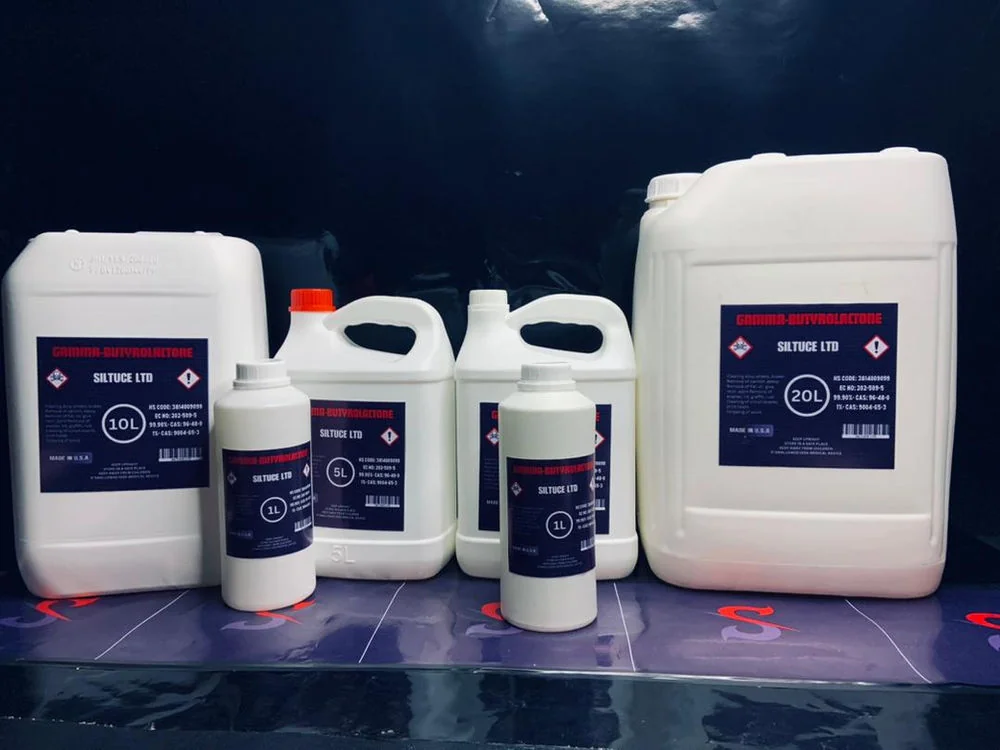
What Is GBL Chemical Used For? Industrial Applications, Chemistry & Laboratory Synthesis
In-depth technical guide to Gamma-Butyrolactone (GBL): lithium-ion battery electrolytes, precision electronics cleaning, polymer stripping, chemical synthesis, and safety.
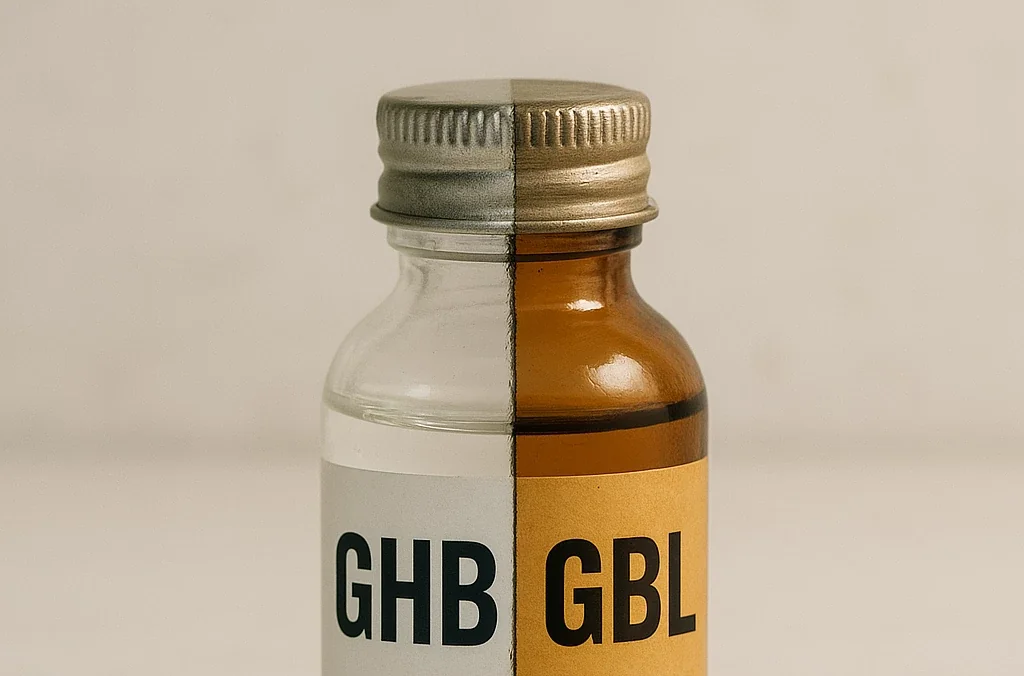
GBL vs GHB: Key Differences, Pharmacology, Potency & Chemical Properties
Comprehensive scientific comparison between Gamma-Butyrolactone (GBL) and Gamma-Hydroxybutyrate (GHB). Explore chemical structures, conversion pathways, potency ratios, and safety protocols.
Dispatched from France with 100% Guaranteed European Delivery
Every parcel is double vacuum-sealed in generic, tamper-proof packaging. Dispatched daily across 11 European countries with tracked delivery and full reship guarantee.